
By Debbie Aldred – eXp Realty NZ

If you’ve been thinking about selling your home, there’s a good chance you’ve looked up your Rating Valuation at some point.
Maybe it confirmed what you were hoping.
Maybe it surprised you.
Either way, it’s very easy for that number to stick in your mind. Many homeowners naturally treat it as a guide for what their property should be worth. It’s one of the few official figures attached to your home, so it’s understandable that people pay attention to it.
However, before that number becomes the anchor for your expectations, it’s worth understanding what a Rating Valuation actually is, how it’s calculated, and why experienced real estate professionals treat it with a healthy dose of caution.
What is a Rating Valuation?
Rating Valuations (often called RVs, CVs or Capital Values) are produced by local councils to determine how much rates property owners should pay.
They are not designed to tell you what your home would sell for on the open market.
These valuations are created through a mass appraisal process, where large datasets are analysed across entire suburbs or regions. Algorithms look at factors such as land size, location, zoning and general property characteristics.
But here’s the key point.
No one actually visits your property.
No one walks through your front door.
No one sees the afternoon light in your kitchen.
No one notices the new bathroom you installed last year or the landscaping you’ve spent years perfecting.
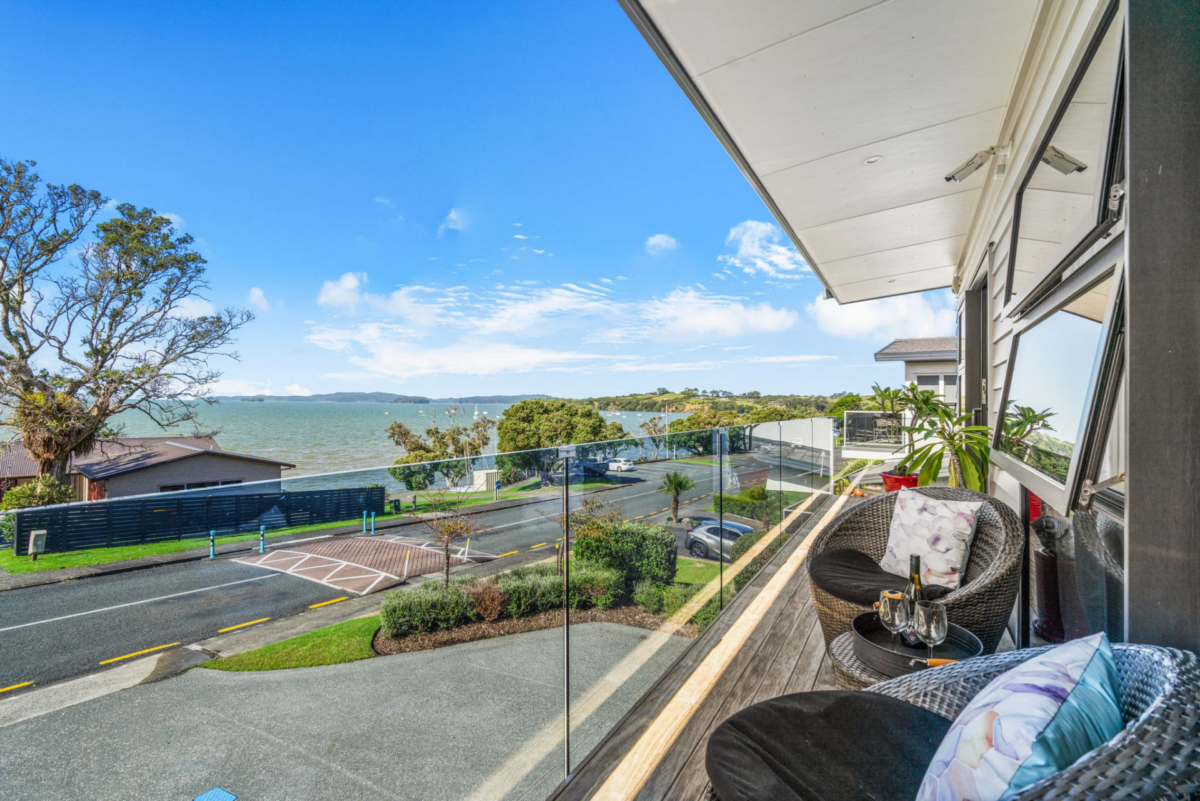
And they certainly don’t experience the lifestyle elements that often make properties in areas like the Matakana Coast, Omaha, Sandspit, Snells Beach, Algies Bay or Kawau Island so special.
The system simply isn’t designed to capture those details — because its purpose is to allocate rates across thousands of properties fairly.
They are only updated every few years
In most parts of New Zealand, Rating Valuations are updated roughly every three years.
That means the number attached to your property today may reflect a market that looked very different when the assessment was completed.
Over just a few years the property market can change dramatically. Interest rates shift, lending conditions tighten or ease, buyer confidence moves, and demand in certain areas can surge or cool.
A valuation that was calculated several years ago may have little connection to what buyers are willing to pay today.
The market determines value — not the council
Ultimately, the value of a property is determined by what a willing buyer is prepared to pay and what a seller is willing to accept in the current market.
That value is influenced by many things, including:
• Current buyer demand
• Interest rate conditions
• Recent comparable sales
• The condition and presentation of the home
• Location and lifestyle appeal
• Unique features such as views, privacy or waterfront access
• The number of competing properties available
Two homes with identical RVs can sell for very different prices simply because one offers something buyers connect with more strongly.
Sometimes RVs can be too high… or too low
Another common misconception is that RVs always underestimate value.
In reality, they can be either above or below the true market value, depending on how the market has moved since the valuation was calculated.
For example:
• In strong markets, properties often sell well above their RV
• In quieter markets, some properties may sell below RV
Neither situation means something is wrong — it simply reflects that RVs are not designed to track the market in real time.
Why experienced agents don’t rely on RVs
Professional real estate agents place far more importance on recent comparable sales and current buyer behaviour.
When providing a market appraisal, I analyse:
• Recent sales of similar properties nearby
• Current listings competing for buyers
• Enquiry levels and buyer activity
• Market trends in the local area
• The unique attributes of your property
This gives a far more accurate understanding of where your property may sit in today’s market.
The risk of anchoring to an RV
One of the biggest challenges sellers face is becoming anchored to a number that may not reflect current market sentiment.
If expectations are based purely on a valuation that sits above where buyers see value, properties can remain on the market longer than necessary and risk losing momentum.
Pricing strategy is one of the most important elements of a successful sale, and understanding how buyers are thinking today is far more valuable than relying on an algorithm from several years ago.
So what should you look at instead?
If you’re considering selling, the most useful information is:
• Recent comparable sales in your area
• Current buyer demand
• How similar properties are performing on the market
• Professional advice from a local agent who understands the market
These insights reflect today’s conditions, not those from several years ago.
Final thoughts
Your Rating Valuation is a useful tool for calculating rates and providing a broad snapshot of property values across a region.
But it was never designed to predict what your home will sell for.
Property value is ultimately determined by buyer demand, market conditions, and the unique qualities of your home.
And those factors are constantly evolving.
If you’re curious about where your property might realistically sit in today’s market, I’m always happy to provide a confidential, obligation-free market appraisal based on current sales evidence.

Debbie Aldred
Licensed Real Estate Salesperson (REAA 2008)
eXp Realty New ZealandSpecialising in lifestyle and coastal property across the Matakana Coast, Omaha, Sandspit, Snells Beach, Algies Bay or Kawau Island.
Category
Selling